
The short answer
Proposition 19 is the California property-tax rule people in San Jose ask about when they want to move, downsize, or pass a house to their children. It has two parts, and they are not the same benefit.
If you are 55 or older, or you are severely and permanently disabled, the California State Board of Equalization says you can transfer the taxable value of your principal residence — the factored base year value, which is the Proposition 13 assessed value plus inflation adjustments — to a replacement principal residence anywhere in California, up to three times. You have to buy or newly construct the replacement home within two years of selling the original one, before or after. If the new home's market value is within the Board's "equal or lesser value" test, the old taxable value moves with you. If it is higher, the amount above that test is added to the value you transfer.
If a child receives a parent's family home, the low tax base does not automatically stay. Since February 16, 2021, that exclusion generally requires the child to make the home their principal residence. For transfers from February 16, 2025 through February 15, 2027, the Board set the cap at the factored base year value plus $1,044,586. Market value above that cap is added to the taxable value.
Those rules matter here because South Bay sale prices are high compared with what many longtime owners pay tax on. The Santa Clara County Association of REALTORS October 2026 statistics put San Jose's single-family median at $1,575,000. A move, or a family transfer, can change the tax bill as much as it changes the address.
Claims are filed with the county assessor, not with a real estate agent. The examples later in this article follow the Board of Equalization's published formulas and, where I reuse its numbers, its own examples. They are estimates, not tax or legal advice, and they are not a determination on a specific house.
If you are also weighing when to list, see whether to wait until spring to sell a San Jose house. Closing costs are a separate conversation; see who pays closing costs in Santa Clara County.
If you are 55 or older and want to move
This is the part of Proposition 19 that helps many San Jose and Los Gatos homeowners who have been in a house long enough that the assessed value is well below today's market. It is implemented by Revenue and Taxation Code section 69.6 for transfers on or after April 1, 2021.
The Board's Publication 800-3 lists the main conditions:
- You must be at least 55 when the original principal residence is sold. If you are married, only one spouse needs to meet that age.
- The original home or the replacement home, or both, must be sold, purchased, or newly constructed on or after April 1, 2021.
- The original home has to have been your principal residence, not a vacation home, and eligible for the homeowners' or disabled veterans' exemption. The replacement home has to be eligible for one of those exemptions as your principal residence when you file the claim.
- You must buy or newly construct the replacement home within two years of the sale, before or after, and both sides of the transaction must be for consideration — something of value, such as cash or the creation or cancellation of debt.
- You can use this base-year-value transfer up to three times. A transfer you already used under the older Proposition 60 or 90 rules does not count against those three.
Letter to Assessors 2024/044 adds two points people often miss. A base-year-value transfer after a wildfire or a Governor-declared natural disaster does not count toward the three-time limit. And a couple can potentially use the transfer three times for each spouse. Confirm remaining uses with the assessor before you plan around that.
You may buy a more expensive home. The tax base is not always unchanged when you do.
The Board's "equal or lesser value" test compares the replacement home's market value with the original home's market value, as follows:
- 100% if you buy or finish construction before you sell the original home
- 105% if you buy or finish construction in the first year after the sale
- 110% if you buy or finish construction in the second year after the sale
If the replacement home is within that test, the original factored base year value transfers. If it is above the test, the amount above the test is added to the transferred value.
Publication 800-3 works this through with official examples. In one, a homeowner buys a replacement home for $730,000 in July 2021, then sells the original home in September 2021 for a $700,000 market value, with a $225,738 factored base year value. Because the replacement was purchased first, the test is 100% of $700,000. The $30,000 difference is added, so the new base year value is $255,738. The Board notes that, using the one percent statewide tax rate, that is more than $4,742 a year less than tax on the $730,000 market value.
In a second official example, the sale comes first, in July 2021, at the same $700,000 market value and $225,738 taxable value, and the replacement is purchased in September 2021 — within the first year after the sale. The test is 105% of $700,000, or $735,000. A $730,000 replacement is under that test, so the $225,738 transfers with no addition. If that replacement had been $800,000, the Board adds the $65,000 above $735,000, for a new base year value of $290,738, and illustrates savings of more than $5,092 a year at the one percent statewide rate.
Those Board examples use smaller prices than a typical San Jose sale. The formula is the same at local prices. Santa Clara County tax bills also include voter-approved local amounts above that one percent statewide rate, so a specific bill can differ from the Board's illustration. I can walk through the same math with your assessed value and a likely sale and purchase price. That walkthrough is still an estimate, not tax advice.
File form BOE-19-B, Claim for Transfer of Base Year Value to Replacement Primary Residence for Persons at Least Age 55 Years, with the county assessor where the replacement home is located, within three years of the purchase or of finishing construction. A later claim can still be granted, but the statute and the Board say relief then starts with the year you file, not the year you moved. Severely and permanently disabled homeowners use form BOE-19-D. Certain wildfire or natural-disaster victims use form BOE-19-V.
The Board also notes limits that catch people: property owned by a legal entity, such as a corporation, is not eligible, and you cannot use this transfer if you convey the original home to a child who claims the parent-child exclusion on that same home.
If a child or grandchild receives the family home
This is the other half of Proposition 19, and it is the part that often surprises families in Willow Glen, Almaden Valley, and other long-owned San Jose neighborhoods. The old parent-child rule was broader. The current rule, in effect since February 16, 2021, is narrower.
For a family home, the Board's Proposition 19 comparison chart says the home must have been the transferor's principal residence, and it must become the transferee's principal residence. Other real property that is not the family home or a family farm no longer gets this exclusion.
The value cap is the factored base year value at the time of the transfer, plus an amount the Board adjusts every other year. Letter to Assessors 2025/009 and the Board's March 7, 2025 news release set that added amount at $1,044,586 for transfers from February 16, 2025 through February 15, 2027. If the home's market value is over that cap, the difference is added to the factored base year value, and that sum becomes the new taxable value.
Publication 800-2 walks through the formula with the original $1,000,000 add-on, which the Board uses in its examples for ease. In one official example, a family home has a $150,000 factored base year value and a $650,000 market value. That is under the $1,150,000 cap ($150,000 plus $1,000,000), so the taxable value stays $150,000. In a second official example, the same $150,000 taxable value meets a $1,250,000 market value. The $100,000 above the $1,150,000 cap is added, and the new taxable value is $250,000. The Board illustrates annual savings of about $5,000 and about $10,000, respectively, at the one percent statewide rate, compared with a full reassessment at market value.
The same official formula, using today's $1,044,586 add-on, would set the cap in that second example at $1,194,586. A $1,250,000 market value would then exceed the cap by $55,414, and the new taxable value would be $205,414. That is arithmetic from the published amount, not a particular house and not a tax bill.
To keep the exclusion from the date of transfer, the person receiving the home should file for the homeowners' or disabled veterans' exemption within one year, and file the exclusion claim within three years of the transfer, or before a transfer to a third party. A claim filed within six months after the assessor mails a supplemental or escape assessment notice for the transfer is also treated as timely. If the exemption is filed late, the Board says the exclusion is available beginning in the year that claim is filed.
The parent-child form is BOE-19-P. Grandparent-grandchild transfers use form BOE-19-G and have an extra condition: the grandchild's parents, who qualify as children of the grandparent, generally must be deceased on the date of the transfer, with a limited exception if a surviving in-law parent has remarried. Publication 800-2 explains that side of the rule.
How to file in Santa Clara County
File the claim with the county assessor, not with the tax collector and not with your agent.
For a 55-or-older move, that is the assessor in the county where the replacement home is located. For a parent-child or grandparent-grandchild exclusion, it is the assessor in the county where the family home is located. Get the current form from that office.
If the home, or the replacement home, is in Santa Clara County, the Office of the Assessor is at 130 West Tasman Drive, San Jose, CA 95134. The assessor is Neysa Fligor. The Board of Equalization's county contact list and the Assessor's site both list the office number as 408-299-5500. Ask that office for the current form, filing steps, and any processing requirements.
You will usually need the homeowners' exemption claim as well as the Proposition 19 form. Deadlines differ, so do not assume one filing covers the other.
What this does not decide for you
Proposition 19 can change the tax result of a move or a family transfer. It does not set the list price, the offer, or the closing-cost split, and it is not automatic. A vacation home does not qualify for the 55-or-older transfer. Timing still has to work as a sale and, if you are buying again, as a purchase. For the listing-calendar question, see whether to wait until spring to sell. For the cost of closing in this county, including San Jose's Measure E transfer tax, see who pays closing costs in Santa Clara County.
If you are selling and buying another home, the two-year window is the constraint to plan around, not a reason to rush a bad week. If you are buying in San Jose or a nearby city as a replacement home, the purchase has to be a principal residence you will actually occupy.
Talk through the move, then confirm the tax filing
If you are thinking about a move, a downsize, or a family transfer, tell Johnny what you are weighing. He can help you line up the sale, and a purchase if there is one, with the two-year window, and he can point you to the Santa Clara County Assessor for the claim itself.
He is not a tax advisor. Eligibility, the exact taxable value, and the filing are questions for the county assessor and, if you want advice on your situation, a tax professional or attorney.
The examples in this article are estimates based on formulas and figures published by the California State Board of Equalization and on public median prices. They are not tax or legal advice, and they are not a determination on a specific property.
Questions this article answers
What is Proposition 19 for San Jose homeowners?
Proposition 19 is a California property-tax rule with two parts people often mix up. Homeowners who are 55 or older, or who are severely and permanently disabled, can transfer the taxable value of their principal residence to a replacement home anywhere in California, up to three times, if they buy or build that home within two years of the sale. A child who receives a parent's home can keep some or all of the parent's taxable value only if the child makes the home their principal residence, and only up to the parent's factored base year value plus $1,044,586 for transfers from February 16, 2025 through February 15, 2027. Those rules come from the California State Board of Equalization. Claims are filed with the county assessor. This is a summary, not tax or legal advice.
Can I transfer my property tax base if I move within California?
Yes, if you qualify. Under Proposition 19, a homeowner who is 55 or older at the time the original principal residence is sold can transfer that home's factored base year value to a replacement principal residence anywhere in California, up to three times. The replacement must be purchased or newly constructed within two years of the sale, before or after. If the new home's market value is equal to or less than the Board of Equalization's test — 100% of the original home's market value if you buy before you sell, 105% if you buy in the first year after the sale, or 110% in the second year — the transferred value is not increased. Any amount above that test is added to the transferred base year value. File form BOE-19-B with the assessor in the county where the replacement home is located, within three years of buying it or finishing construction.
Do children inherit a parent's low property tax in California?
Not automatically, and not in full on many San Jose-priced homes. Since February 16, 2021, a parent-child transfer of a family home can keep the parent's factored base year value only if the child lives in the home as their principal residence and files the required claims. For transfers from February 16, 2025 through February 15, 2027, the Board of Equalization set the value cap at the factored base year value plus $1,044,586. Market value above that cap is added to the taxable value. The child should file for the homeowners' or disabled veterans' exemption within one year of the transfer, and file form BOE-19-P with the county assessor within three years, or before a transfer to a third party. Grandparent-grandchild transfers have extra rules, including that the middle generation generally must be deceased. This is not tax or legal advice.
How many times can I use Proposition 19 to move my tax base?
The Board of Equalization says a person can transfer a base year value under Proposition 19 for age or disability a maximum of three times. A prior transfer under the older Proposition 60 or 90 rules does not count against those three. A transfer after a wildfire or a Governor-declared natural disaster does not count toward the three-time limit either. If you are married, only one spouse needs to be at least 55 when the original home is sold, and the Board has noted that a couple can potentially use the transfer three times for each spouse. Confirm your remaining uses with the county assessor before you rely on that.
Sources
- California State Board of Equalization, Proposition 19
- California State Board of Equalization, News Release NR 25-02, March 7, 2025, adjustment of the $1 million intergenerational transfer exclusion amount to $1,044,586
- California State Board of Equalization, Letter to Assessors No. 2025/009, Intergenerational Transfer Exclusion, Adjustment of the $1 Million Amount, March 7, 2025
- California State Board of Equalization, Publication 800-3, Property Tax Savings: Transfer of Property Tax Base to Replacement Property – Age 55 and Older (6-22)
- California State Board of Equalization, Publication 800-2, Property Tax Savings: Transfers Between Grandparents and Grandchildren (5-25)
- California State Board of Equalization, Letter to Assessors No. 2024/044, Proposition 19 Base Year Value Transfer Frequently Asked Questions and Answers
- California State Board of Equalization, Property Tax Forms for Use by County Assessors' Offices (BOE-19-B, BOE-19-D, BOE-19-G, BOE-19-P, and BOE-19-V)
- California Revenue and Taxation Code section 69.6
- Santa Clara County Office of the Assessor (Neysa Fligor; 130 West Tasman Drive, San Jose, CA 95134; 408-299-5500)
- California State Board of Equalization, County Property Tax Contacts (Santa Clara County Assessor, 408-299-5500)
- Santa Clara County Association of REALTORS, October 2026 Housing Statistics (PDF), retrieved November 20, 2026
Areas in this article
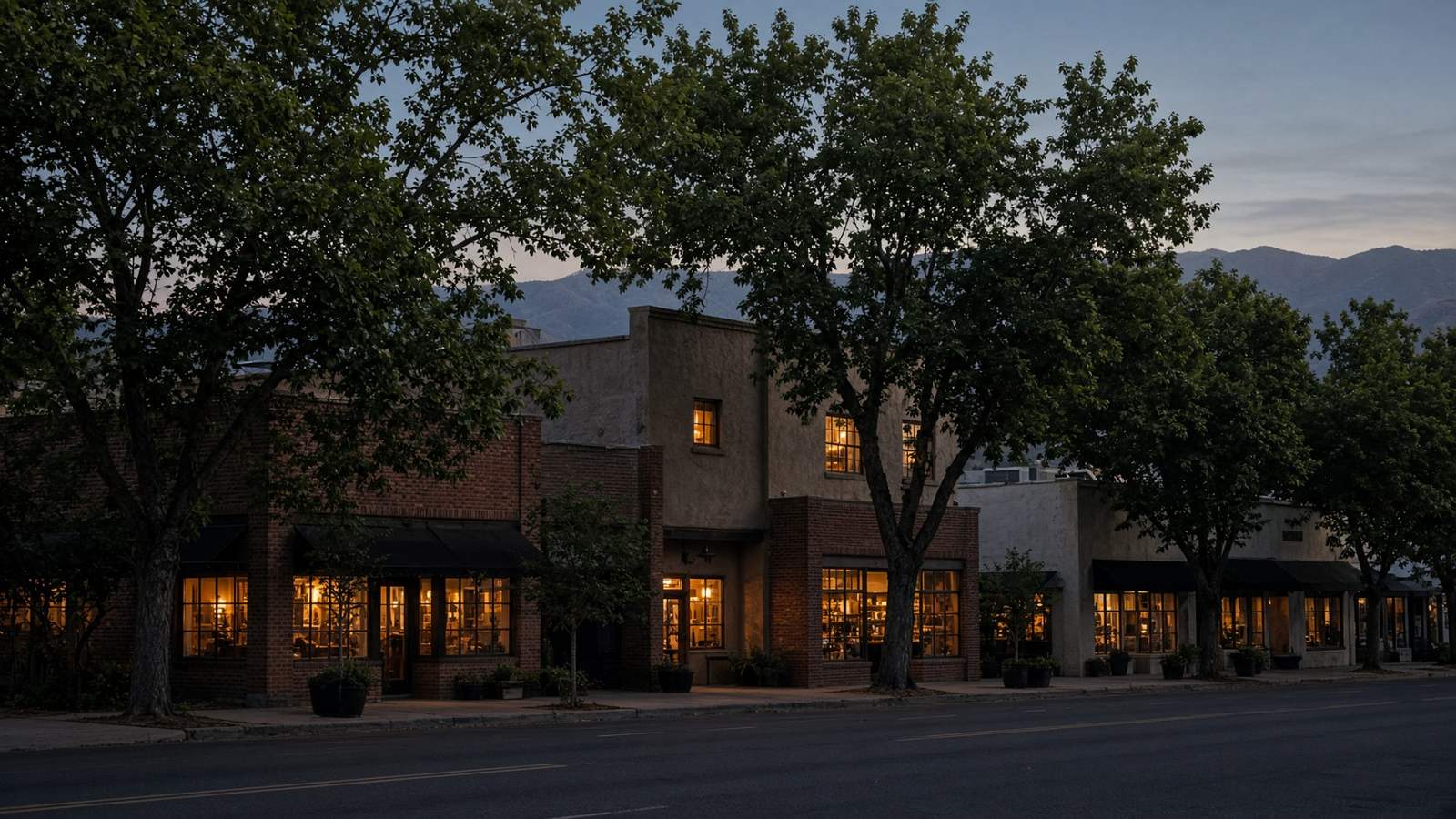
Los Gatos
A town, not a tract
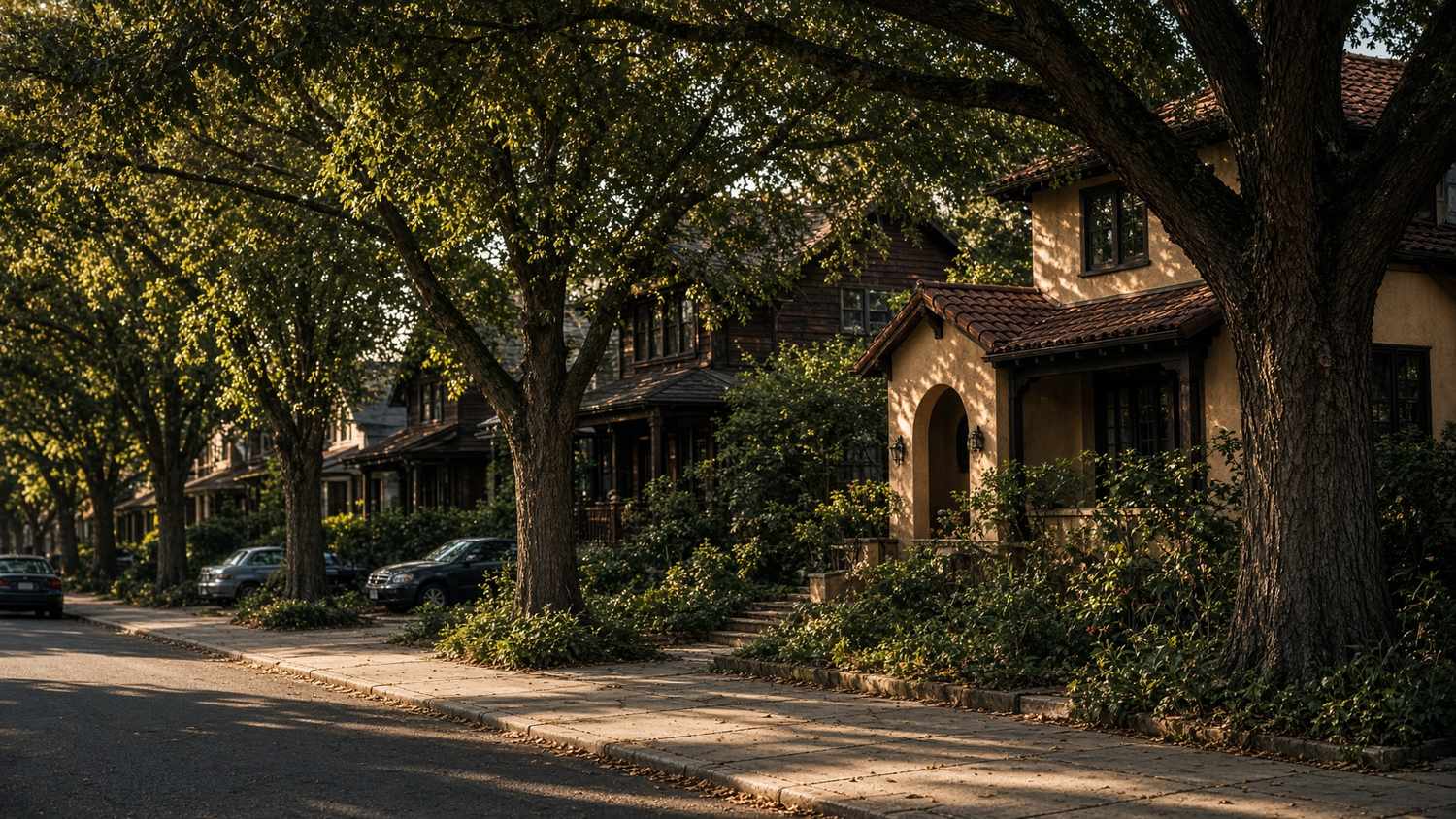
Willow Glen
Walkable, older streets
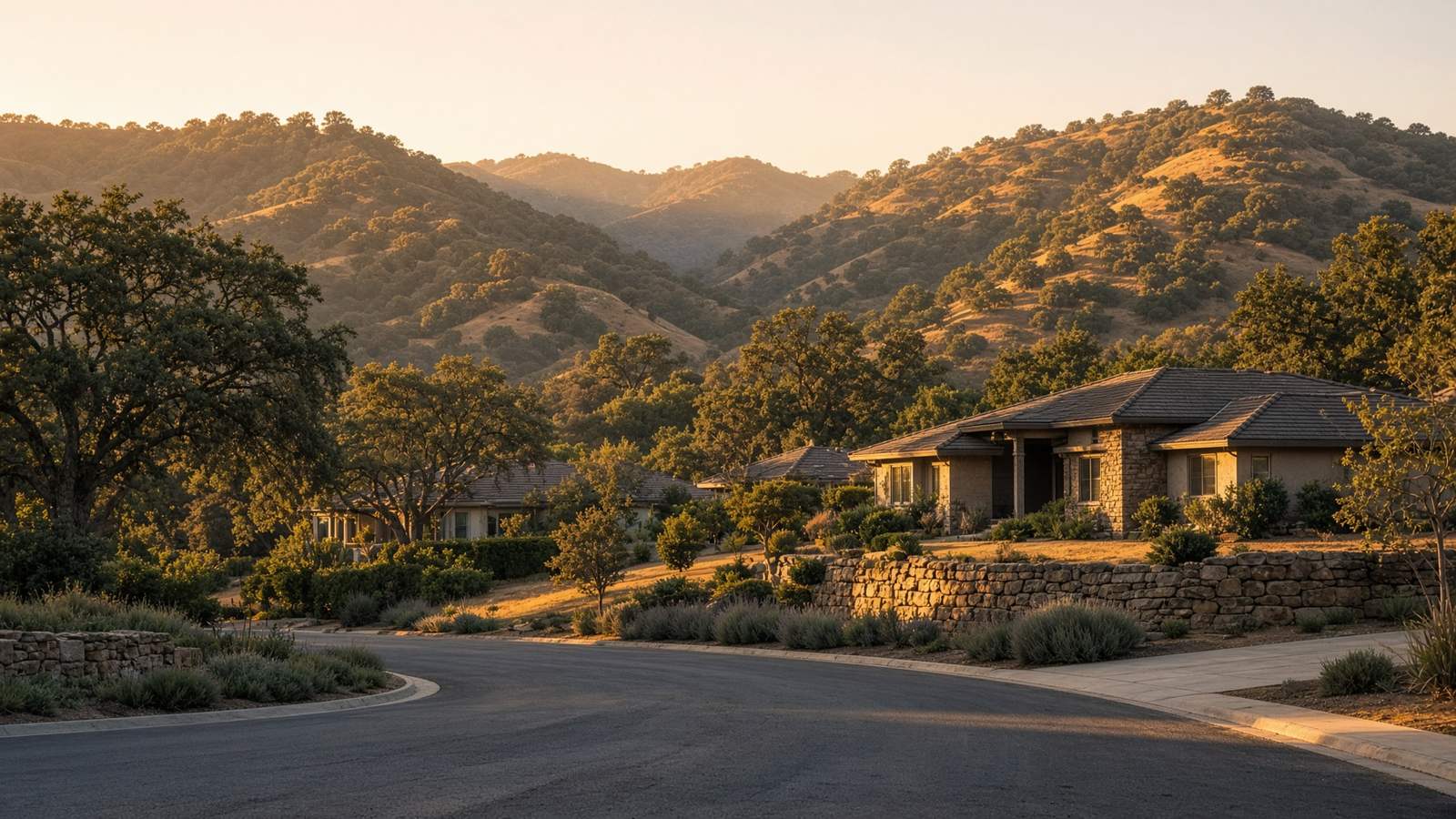
Almaden Valley
Space, schools, foothills
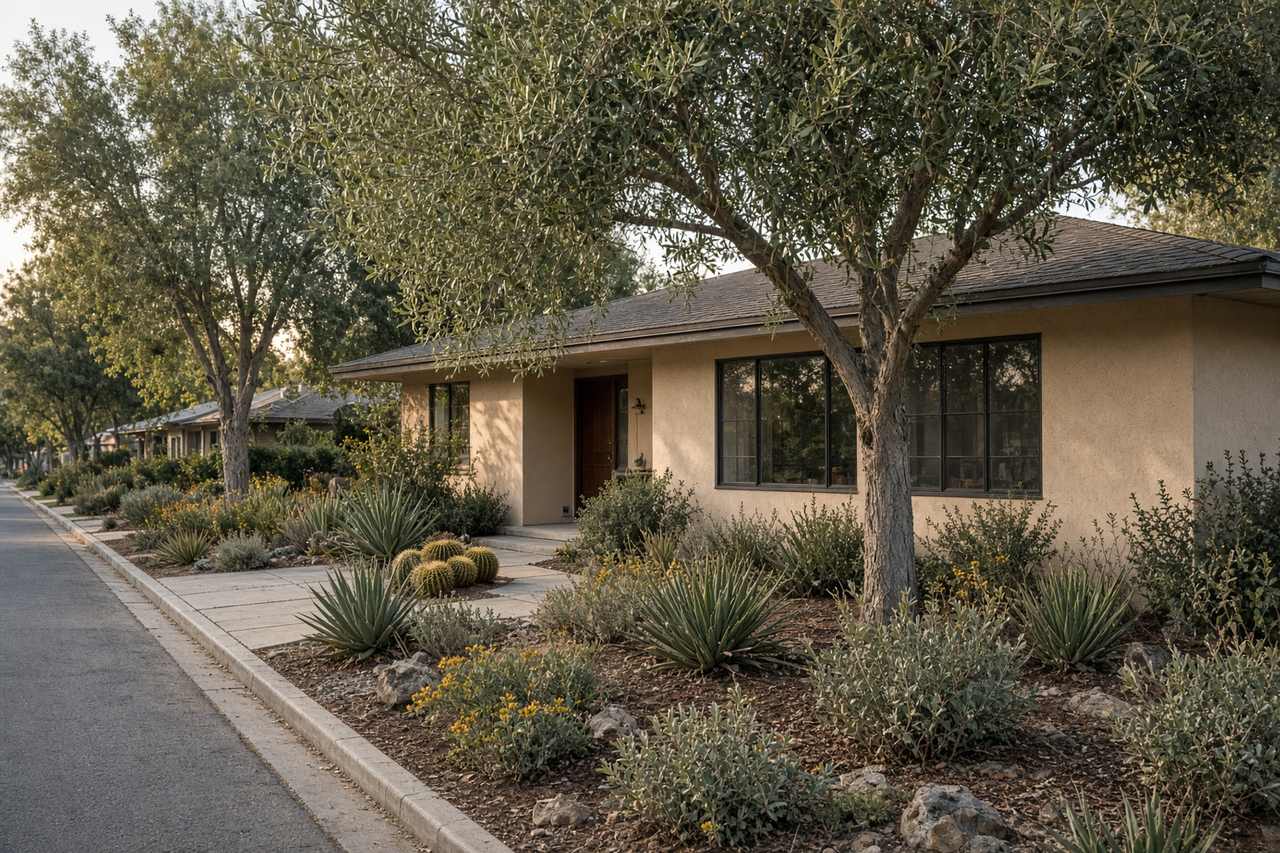
Cambrian
The practical middle
Rose Garden
Older central streets
Evergreen
Southeast hills
Saratoga
Foothill quiet
Cupertino
Schools set the price
Campbell
Small downtown, real houses
Sunnyvale
Central and in demand
Santa Clara
The in-between city


Related articles
November 17, 2026
Best Neighborhoods in San Jose: Compare Before You Tour
San Jose’s October single-family median was $1,575,000. Compare Willow Glen, Rose Garden, Almaden, West San Jose, Cambrian, Evergreen, and Berryessa.
November 23, 2026
Jumbo vs Conforming Loans in Santa Clara County
Santa Clara County’s 2026 conforming limit is $1,249,125, not the $832,750 U.S. baseline. See how that cuts on San Jose’s $1,575,000 October median.
November 19, 2026
Best Suburbs Near San Jose: Compare Before You Tour
Compare Campbell, Los Gatos, Saratoga, Cupertino, and Milpitas. October single-family medians ranged from $1,500,000 to $4,240,000.
Talk this through with Johnny.
If this article is close to a move you are considering, tell him the neighborhood or the address. He will answer the parts that actually change the offer or the list price.